Essential Tips for Successful Homesteading
Homesteading is more than just a trend; it’s a lifestyle choice that allows individuals and families to reconnect with nature, grow their own food, and live sustainably. Whether you are just starting out or looking to enhance your existing homestead, there are essential tips that can help you succeed. This guide will provide practical advice, insights, and examples to help you navigate the rewarding journey of homesteading.

Understanding Your Homesteading Goals
Before diving into homesteading, it’s crucial to define your goals. Are you looking to grow your own food, raise livestock, or become more self-sufficient? Understanding your objectives will guide your decisions and help you stay focused. Here are some common goals:
Food Production: Growing fruits, vegetables, and herbs to reduce grocery bills.
Livestock Raising: Keeping chickens, goats, or bees for eggs, milk, and honey.
Sustainability: Implementing eco-friendly practices to minimize your carbon footprint.
Self-Sufficiency: Reducing reliance on commercial products and services.
By clarifying your goals, you can create a roadmap that aligns with your vision for your homestead.
Choosing the Right Location
The location of your homestead plays a significant role in your success. Factors to consider include:
Climate: Different crops and animals thrive in specific climates. Research what grows best in your area.
Soil Quality: Test your soil to determine its nutrient content and pH levels. Healthy soil is essential for productive gardening.
Water Access: Ensure you have a reliable water source for irrigation and livestock.
For example, if you live in a region with a short growing season, consider focusing on cold-hardy crops or using greenhouses to extend your gardening season.
Planning Your Garden
A well-planned garden is the backbone of any successful homestead. Here are some tips for effective garden planning:
Crop Selection
Choose crops that are suitable for your climate and soil type. Consider planting a mix of:
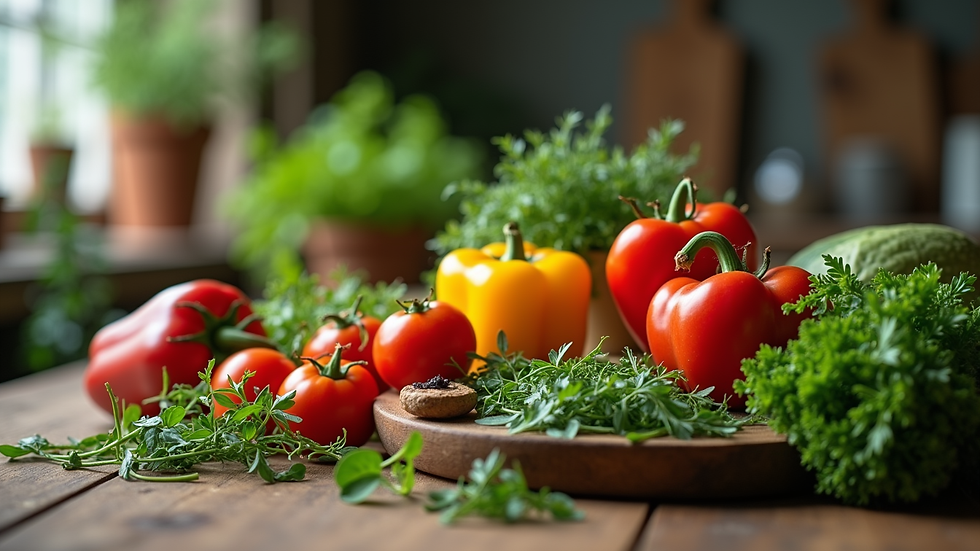
Annuals: Such as tomatoes, peppers, and lettuce, which need to be replanted each year.
Perennials: Like asparagus and rhubarb, which come back year after year.
Companion Planting
Utilize companion planting techniques to maximize space and improve plant health. For instance, planting marigolds alongside vegetables can deter pests.
Crop Rotation
Practice crop rotation to maintain soil fertility and reduce pest and disease buildup. Rotate families of plants each year to keep your soil healthy.
Raising Livestock
Adding livestock to your homestead can provide valuable resources. Here are some popular options:
Chickens: Great for egg production and pest control.
Goats: Provide milk and can help with land clearing.
Bees: Essential for pollination and honey production.
Basic Care Requirements
Each type of livestock has specific care needs. Ensure you research and understand:
Housing: Provide adequate shelter to protect them from the elements.
Nutrition: Offer a balanced diet tailored to their species.
Health Care: Regular veterinary check-ups and vaccinations are crucial.
Sustainable Practices
Incorporating sustainable practices into your homesteading routine can enhance your self-sufficiency. Consider these methods:
Composting
Start a compost pile to recycle kitchen scraps and yard waste. Compost enriches your soil and reduces waste.
Rainwater Harvesting
Collect rainwater for irrigation. This practice conserves water and reduces your utility bills.
Permaculture Principles
Implement permaculture principles to create a self-sustaining ecosystem. Design your homestead to work with nature rather than against it.
Preserving Your Harvest
Once you’ve grown your crops, it’s essential to preserve them for future use. Here are some methods:
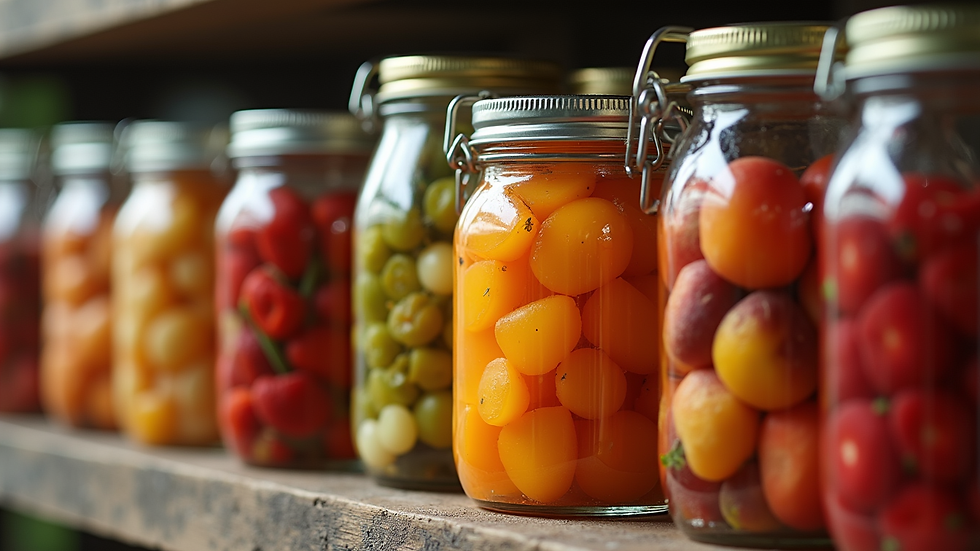
Canning: A popular method for preserving fruits and vegetables.
Freezing: Quick and easy for many types of produce.
Dehydrating: Great for herbs and fruits, extending shelf life.
Storage Solutions
Invest in proper storage solutions to keep your preserved goods organized and accessible. Label jars and containers with dates to track freshness.
Building Community Connections
Homesteading can sometimes feel isolating, but building connections with others can enhance your experience. Here are ways to connect:
Join Local Groups: Participate in local homesteading or gardening clubs.
Attend Workshops: Learn new skills and meet like-minded individuals.
Share Resources: Exchange seeds, plants, or tools with neighbors.
Embracing Challenges
Homesteading is not without its challenges. Here are some common obstacles and how to overcome them:
Time Management
Balancing homesteading with other responsibilities can be tough. Create a schedule that allocates time for gardening, livestock care, and maintenance tasks.
Pest Control
Pests can threaten your crops. Use organic pest control methods, such as introducing beneficial insects or using natural repellents.
Weather Variability
Unpredictable weather can impact your homestead. Stay informed about local forecasts and be prepared to adapt your plans accordingly.
Continuous Learning
Homesteading is a journey of continuous learning. Stay curious and open to new ideas by:
Reading Books: Explore homesteading literature for tips and inspiration.
Watching Tutorials: Utilize online resources for visual guidance on various tasks.
Experimenting: Don’t be afraid to try new techniques or crops.
Conclusion
Successful homesteading requires careful planning, dedication, and a willingness to learn. By setting clear goals, choosing the right location, and embracing sustainable practices, you can create a thriving homestead that meets your needs. Remember, the journey is just as important as the destination. Take the time to enjoy the process, connect with your community, and celebrate your successes along the way.
With these essential tips, you are well on your way to a fulfilling homesteading experience. Start small, stay committed, and watch your homestead flourish!
Comments