Mastering Food Preservation Techniques at Home
- martiknowsstuff
- Feb 22
- 5 min read
Food preservation is an essential skill that not only helps reduce waste but also allows you to enjoy seasonal produce year-round. Whether you're looking to save money, eat healthier, or simply enjoy the satisfaction of homemade goods, mastering food preservation techniques can be incredibly rewarding. In this blog post, we will explore various methods of food preservation, their benefits, and practical tips to get you started in your own kitchen.
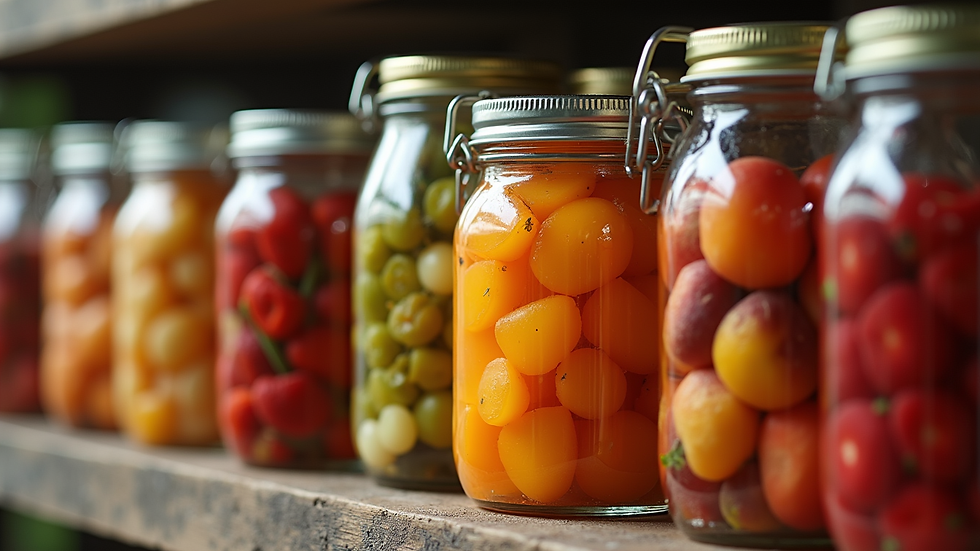
Understanding Food Preservation
Food preservation refers to the methods used to prevent food spoilage and extend its shelf life. The primary goal is to inhibit the growth of bacteria, molds, and yeasts that cause food to spoil. Here are some common methods of food preservation:
Canning: Sealing food in airtight containers to prevent spoilage.
Freezing: Storing food at low temperatures to slow down enzyme activity.
Drying: Removing moisture from food to inhibit microbial growth.
Fermentation: Using beneficial bacteria to convert sugars into acids or alcohol, preserving food and enhancing flavor.
Pickling: Preserving food in an acidic solution, usually vinegar, to prevent spoilage.
Each method has its unique advantages and can be used for different types of food. Understanding these methods will help you choose the best approach for your needs.
The Benefits of Food Preservation
Cost-Effective: Buying in bulk and preserving food can save you money, especially during peak harvest seasons when prices are lower.
Nutritional Value: Preserved foods can retain their nutritional value, allowing you to enjoy healthy meals even in the off-season.
Flavor Enhancement: Many preservation methods, such as fermentation and pickling, can enhance the flavor of food, making it more enjoyable.
Waste Reduction: By preserving food, you can reduce waste and make the most of your groceries.
Self-Sufficiency: Mastering food preservation techniques empowers you to rely less on store-bought products and create your own pantry staples.
Canning: A Timeless Technique
Canning is one of the most popular food preservation methods. It involves placing food in jars and heating them to kill bacteria and enzymes. Here’s how to get started with canning:
Equipment Needed
Canning jars with lids
A large pot or canner
A jar lifter
A funnel
A ladle
A clean cloth
Steps for Canning
Prepare the Food: Wash and chop your fruits or vegetables as needed.
Sterilize Jars: Boil jars and lids in water for 10 minutes to sterilize them.
Fill Jars: Use a funnel to fill jars with prepared food, leaving about half an inch of headspace.
Seal Jars: Wipe the rim of the jar with a clean cloth to remove any residue. Place the lid on and screw on the band until it’s fingertip-tight.
Process Jars: Place jars in a canner filled with boiling water. Process according to the recipe guidelines for the specific food you are preserving.
Cool and Store: Once processed, remove jars and let them cool completely. Check seals and store in a cool, dark place.
Tips for Successful Canning
Always follow tested recipes to ensure safety.
Use fresh, high-quality produce for the best results.
Label jars with the contents and date for easy identification.
Freezing: Quick and Easy Preservation
Freezing is one of the simplest methods of food preservation. It’s ideal for fruits, vegetables, meats, and even prepared meals. Here’s how to freeze food effectively:
Steps for Freezing
Prepare the Food: Wash, peel, and chop fruits and vegetables as needed.
Blanch Vegetables: For most vegetables, blanching (briefly boiling and then cooling) helps preserve color, flavor, and texture.
Pack in Containers: Use airtight freezer bags or containers to prevent freezer burn. Remove as much air as possible before sealing.
Label and Date: Clearly label each container with the contents and date for easy tracking.
Best Foods for Freezing
Fruits: Berries, bananas, and peaches freeze well.
Vegetables: Green beans, broccoli, and corn are great choices.
Meats: Chicken, beef, and fish can be frozen for later use.
Drying: A Flavorful Method
Drying is one of the oldest methods of food preservation. It removes moisture, making it difficult for bacteria to grow. Here’s how to dry food at home:
Methods of Drying
Air Drying: Suitable for herbs and some fruits. Hang them in a cool, dry place.
Oven Drying: Use a low-temperature oven to dry fruits and vegetables.
Dehydrator: A food dehydrator is a great investment for drying various foods efficiently.
Steps for Drying
Prepare the Food: Wash and slice food into uniform pieces for even drying.
Pre-Treat if Necessary: Some fruits, like apples, may benefit from a soak in lemon juice to prevent browning.
Dry the Food: Follow the method of your choice until the food is completely dry and brittle.
Store Properly: Keep dried foods in airtight containers in a cool, dark place.
Fermentation: A Healthful Approach
Fermentation is a unique preservation method that not only extends shelf life but also adds probiotics, which are beneficial for gut health. Common fermented foods include sauerkraut, kimchi, and yogurt.
Steps for Fermentation
Choose Your Ingredients: Fresh vegetables, fruits, or dairy products work well.
Prepare the Brine: For vegetables, a simple brine of water and salt is often used.
Pack the Ingredients: Place the ingredients in a clean jar and cover with the brine, leaving some headspace.
Seal and Store: Cover the jar with a lid or cloth and store it at room temperature for several days to weeks, depending on the recipe.
Taste and Store: Once fermented to your liking, transfer to the refrigerator to slow down the fermentation process.
Tips for Successful Fermentation
Use fresh, high-quality ingredients for the best flavor.
Keep everything clean to avoid unwanted bacteria.
Experiment with spices and herbs to create unique flavors.
Pickling: A Tangy Delight
Pickling is another excellent way to preserve food while adding a tangy flavor. It involves soaking food in an acidic solution, usually vinegar.
Steps for Pickling
Choose Your Produce: Cucumbers, carrots, and onions are popular choices.
Prepare the Brine: Combine vinegar, water, salt, and sugar in a pot and bring to a boil.
Pack the Jars: Place the prepared produce in sterilized jars.
Pour the Brine: Fill the jars with the hot brine, leaving some headspace.
Seal and Store: Seal the jars and let them cool before storing in the refrigerator or processing them for long-term storage.
Tips for Successful Pickling
Experiment with spices like dill, garlic, and mustard seeds for added flavor.
Use fresh produce for the best results.
Allow pickles to sit for at least a week for the flavors to develop.
Conclusion
Mastering food preservation techniques at home can be a fulfilling and practical endeavor. Whether you choose canning, freezing, drying, fermentation, or pickling, each method offers unique benefits and flavors. Start with one technique that appeals to you, and gradually expand your skills. With a little practice, you’ll be able to enjoy your favorite foods all year round while reducing waste and saving money. So gather your ingredients, roll up your sleeves, and embark on your food preservation journey today!

Comments